
Think of some of your favorite inventors.
- Film star Hedy Lamarr co-invented “frequency-hopping” during WWII to encrypt torpedo-control signals, paving the way for Wi-Fi and Bluetooth technology.
- Josephine Cochrane received a patent for the idea of a dishwasher, which was later developed into an invention.
- Grace Hopper developed the first “computer compiler,” translating programming code into machine language.
- Marie Van Brittan Brown received a patent for inventing the first home security system, which modern security systems are modeled after.
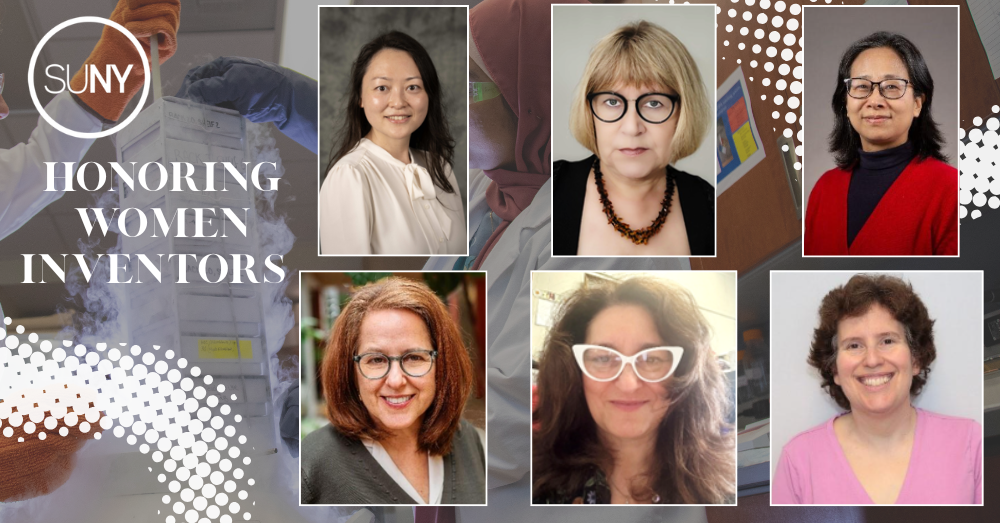
Innovation has a long and rich history that continues today, and SUNY is part of that story. According to an analysis conducted by the SUNY Research Foundation based on patent data provided to the Research Foundation, over 20% of inventors who have filed a patent in the SUNY system are women, a figure higher than the global average. Continue reading to hear these researchers’ stories.
According to the World Intellectual Property Organization (WIPO), in 2024, 18% of inventors worldwide were women. This number represents a significant growth in representation since 2014, when the percentage was only 12 percent.
Understanding these numbers means looking deeper into why gender disparities exist in the data.
The “Science of Science”
Scientists study the world around th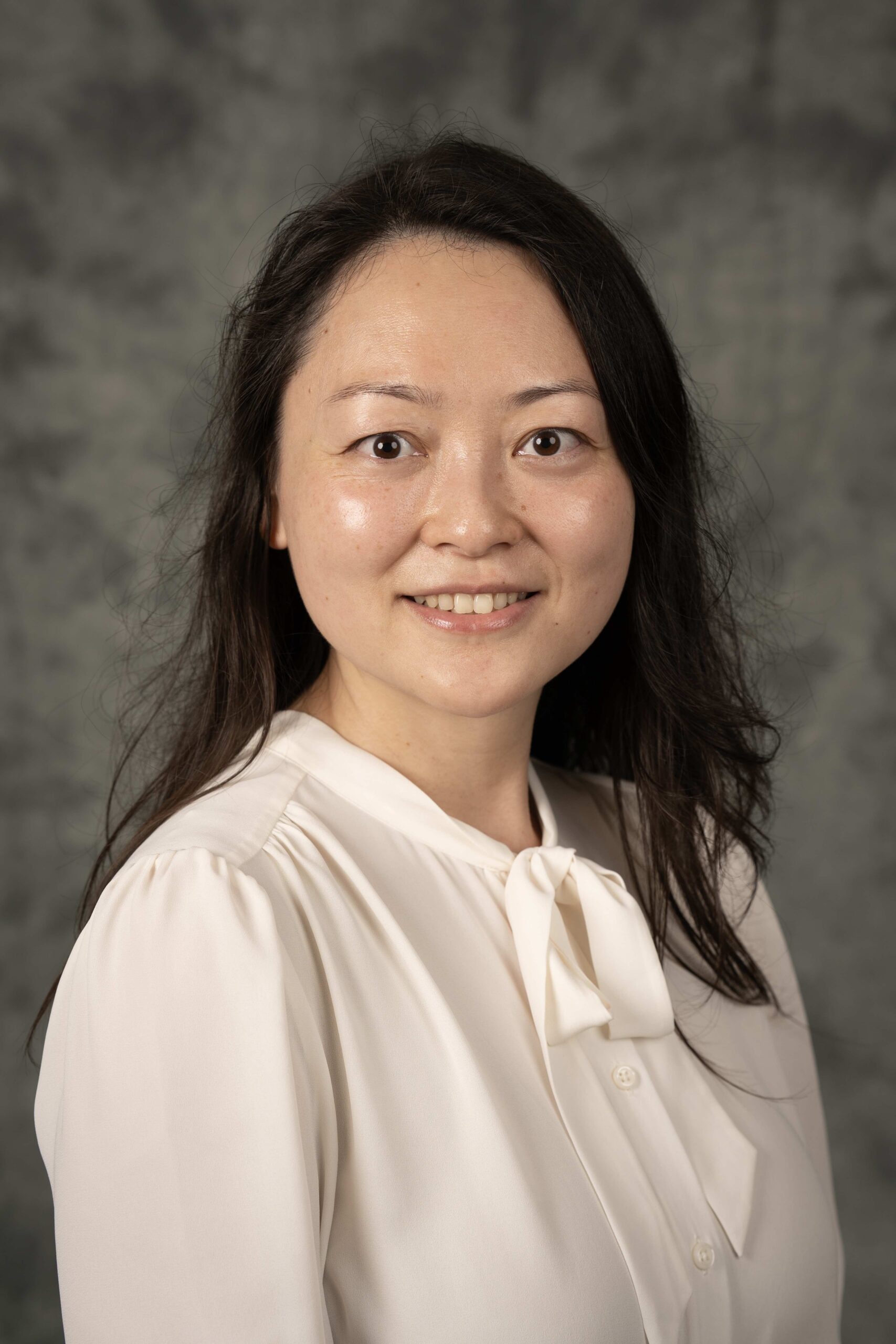 em, but who studies the scientists? Stony Brook University Assistant Professor in the Department of Technology and Society (DTS), Jieshu Wang, studies the social impact of emerging technologies and focuses on the “science of science,” analyzing how scientists create knowledge. When Dr. Wang came across the WIPO’s patent statistic, it immediately captured her attention.
In her published paper, Dr. Wang combed through millions of patents to develop an understanding of the gender disparities she could identify in US patent data. Ultimately, Dr. Wang found that only about 17% of the 3.7 million patents in her dataset were filed with at least one female inventor.
Dr. Wang began to qualitatively analyze the patent data by observing what type of research is more likely to be patented by women. In her ongoing research, she has observed that women are more likely to invent products tailored to the needs and experiences of women and children. In line with this discovery, Dr. Wang also noticed that biotechnology has the highest rates of women’s participation when compared to other research fields. With these findings, she is hopeful that as inventorship becomes more inclusive, the impact of the inventions will grow as well.
“I would like to see more women in AI and those emerging technologies,” Dr. Wang said. “Because if [we] assume that women are more likely to invent for women, then the significant underrepresentation of women in these emerging technologies would maybe imply that there’s a missed opportunity for new technologies that benefit women or align with women’s values.”
So where does SUNY Fit?
While SUNY’s composition of over 20% women inventors is higher than the worldwide average, it does not truly encapsulate the incredible value that women inventors provide to SUNY’s research economy.
Research by women at SUNY encompasses an incredible spectrum, from advances in microelectronics and AI to life-changing medical technology. Women within the SUNY system engage in ground-breaking research every day. Who are some of these researchers? Let’s take a look!
SUNY’s Inventors
Dr. Audrey Bernstein, Professor, SUNY Upstate Medical University
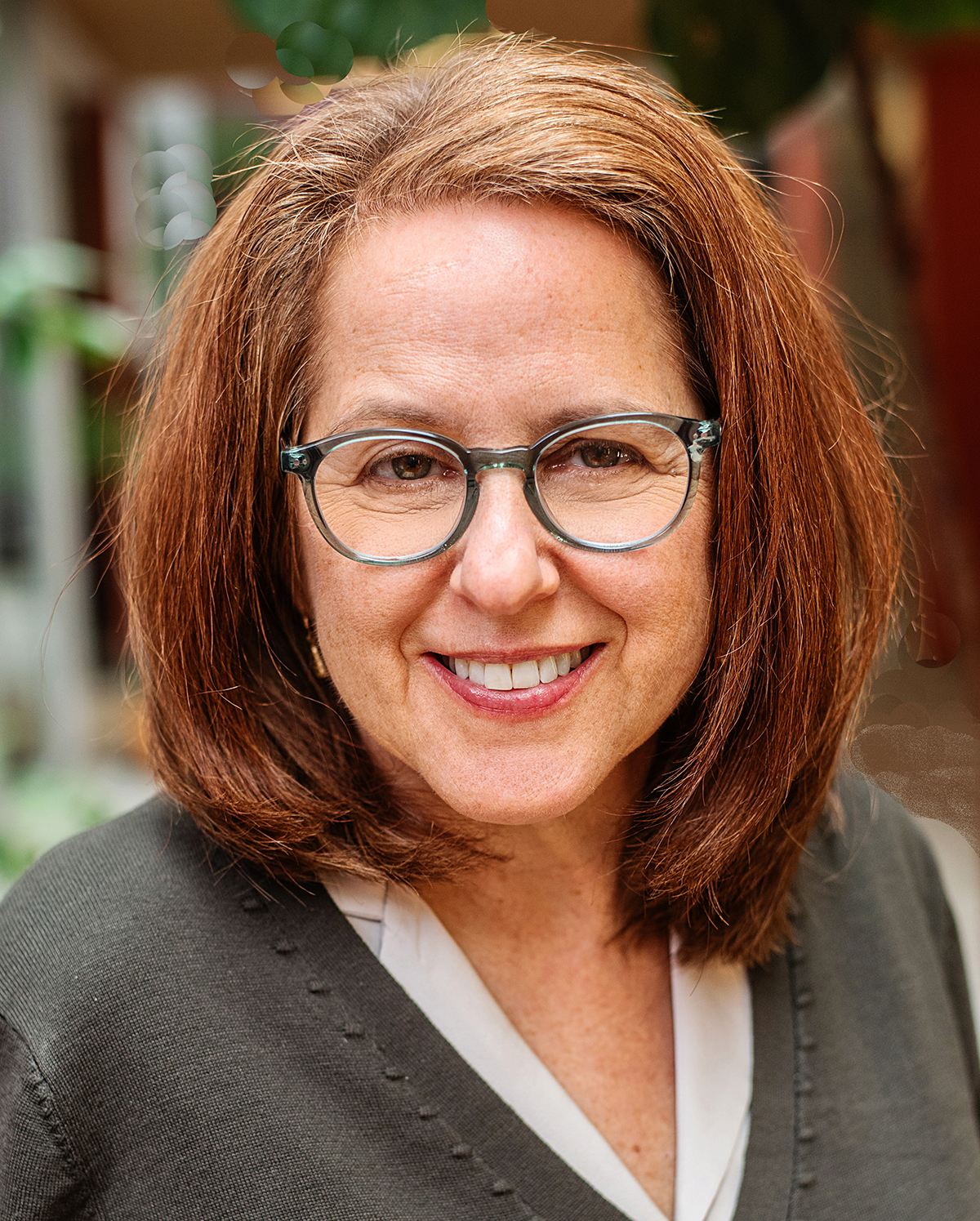
With a focus on studying the molecular and cellular causes of certain eye diseases, Upstate Medical University’s Professor Audrey Bernstein is pioneering improvements in treatment for those struggling with eye diseases.
By studying the underlying conditions in one’s body that may contribute to the formation of these diseases, Dr. Bernstein hopes to have a substantial impact on improving the lives of those afflicted. With four patents that are awarded or pending for reversing the process that causes disease progression, Dr. Bernstein’s research has led to technologies with potential therapeutic applications.
“My research aims to uncover the cellular mechanisms that drive eye diseases leading to vision loss and to translate those insights into new therapies,” Dr. Bernstein said. “Ultimately, my goal is to help prevent visual impairment and blindness and improve patients’ quality of life.”
Dr. Bernstein has brought her research beyond the lab through her startup, DUB Therapeutics. Co-founded with Tere Williams, a SUNY Upstate Medical University research associate, the company enables them to navigate the challenges of getting their treatment to market for patient use.
With support from a wide range of programs and services offered by the SUNY Research Foundation – including SUNY Startup Summer School, SUNY TAF, SUNY Grant Works, SUNY Venture Advisors, SUNY Startup Design Studio, SUNY CXO, and investment from Upstate Biotech Ventures – Dr. Bernstein and her team at DUB Therapeutics are closer than ever to making substantial improvements in the treatment of eye diseases.
Dr. Anna Babinska, Research Associate Professor, SUNY Downstate Health Sciences University
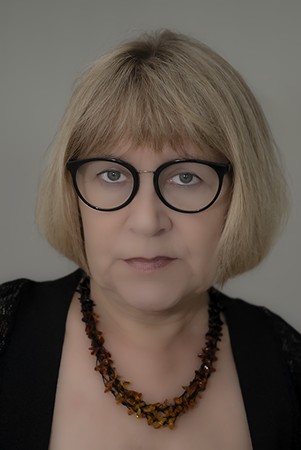
After dedicating all 31 years of her time at SUNY Downstate Health Sciences University to studying a specific protein, the F11R, and its relation to heart disease, Anna Babinska is an expert on the potential therapeutic possibilities of this protein. Based on Dr. Babinska’s research, this protein can be critical in saving the lives of those who suffer from heart disease and kidney failure.
Dr. Babinska’s many years of research have paid off in recent years, resulting in five potential protein candidates for effective treatment of neointimal hyperplasia, the thickening of blood vessels in patients with cardiovascular and kidney disease. With further refinement, one of these potential candidates will be transformed into an oral drug capable of treating this condition, unlike any drug before.
“My mission is to translate the results of years of basic research into therapies that will improve the quality of life for individuals suffering from chronic vascular insufficiency,” Dr. Babinska said.
With nine patents under her belt, Dr. Babisnka has contributed to the world’s knowledge regarding this protein and its potential for treatment. With it, she hopes to develop the first treatment of this kind.
“I anticipate the F11R-derived inhibitor will provide novel therapies, and the silico design non-peptide F11R receptor antagonist (NOFA) will be the first drug to treat neointimal disease, providing hope for millions of people suffering from cardiovascular diseases and from kidney failure worldwide,” Dr. Babinska said.
Rena Orman, Research Associate Professor, SUNY Downstate Health Sciences University
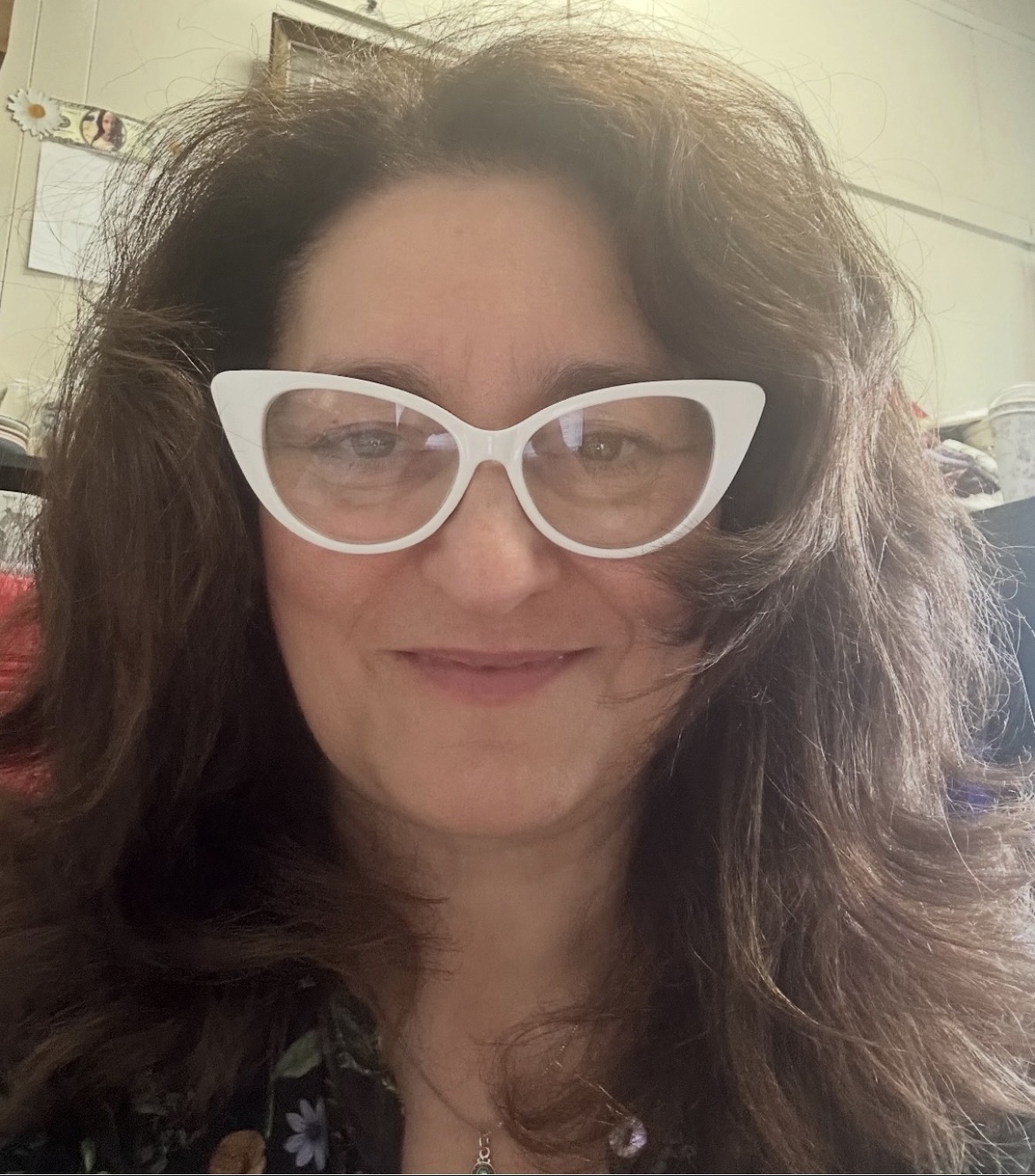 Whether she is focused on her obstructive sleep apnea research or spending time in her fruit bat lab, Rena Orman’s research centers on understanding and supporting human health of all ages.
Most people associate sleep apnea with adults, but children also suffer from this condition, and it’s much harder to detect. With support from the SUNY Technology Accelerator Fund (TAF), Dr. Orman and her colleague, Dr. Mark Stewart, are developing a patent-pending wearable device to detect respiratory distress in children while they sleep, with the goal of preventing the sudden, unexpected deaths that the condition can cause.
On top of this research, Dr. Orman studies human aging by observing fruit bats, which resemble primate anatomy and physiology.
Despite all her research success, it hasn’t come without its challenges. Dr. Orman believes in the importance of perseverance in facing these challenges.
“Persistence is one of the most important qualities in science,” Dr. Orman said. “Believe me, you will be knocked down by some people or events, count on it. But, always get up! The research road is arduous, but the scenery along the way is absolutely worth it!”
Dr. Orman also expressed gratitude for the support she has received from SUNY resources.
“I would like to use this opportunity to thank [SUNY and the SUNY] Research Foundation (RF) for the support that I got over the years,” Dr. Orman said. “The Central Office, the innovation and technology folks, the legal — the RF has been my biggest cheerleader. I am very grateful for that.”
Dr. Yubing Xie, Professor and Associate Dean for Inclusive Excellence, University at Albany
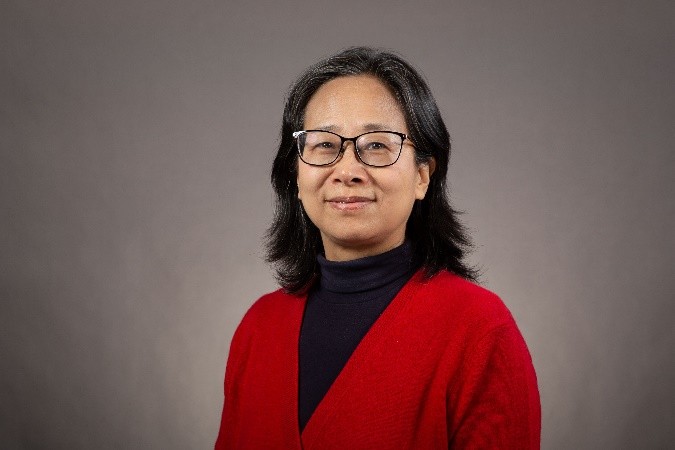 Fibrosis, a condition that can disrupt normal organ function, can affect almost all tissues in the body. Yubing Xie’s research at the University of Albany aims to address fibrosis-related conditions in patients’ eyes and salivary glands.
By focusing on reduced saliva production due to salivary gland hypofunction and the potential vision loss from glaucoma, Dr. Xie is channeling her research to improve the quality of life of those affected by fibrosis.
“Our goal is simple but powerful,” Dr. Xie said. “Using anti-fibrotic tissue engineering strategies to help glaucoma patients find the right therapeutics to prevent vision loss and help patients with dry mouth restore salivary gland function.”
Despite the success of her research and the issuance of two patents, Dr. Xie is most proud of integrating her cutting-edge research into educational opportunities for the many students she works with. She hopes to empower the next generation to thrive in industry, government, academia, and medicine.
Dr. Susan Sharfstein, Professor, University at Albany
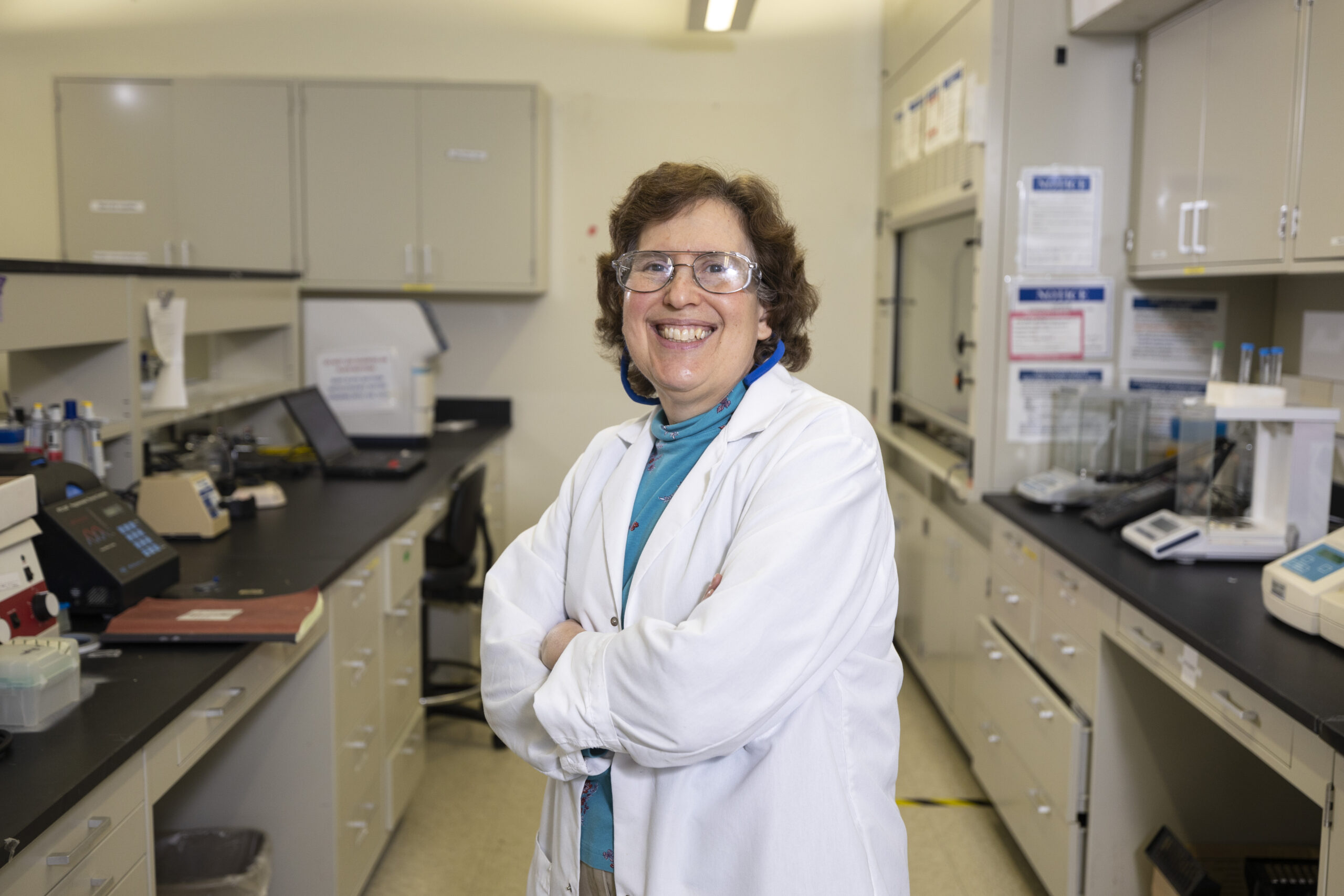
What are cultured mammalian cells, and why are they so important to Dr. Susan Sharfstein’s work? Cultured mammalian cells are cells grown from mammals, usually animals, in an environment that replicates their original body to support cell growth.
These tiny cells are so important because by applying engineering principles to develop a therapeutic process using cultured mammalian cells, Dr. Sharfstein engages in research that can be used to develop disease treatments, therapeutic proteins, and devices for drug screening.
By combining engineering with life sciences, Dr. Sharfstein brings a unique perspective to creating novel innovations.
“The main goal is to work at the interface between engineering and the life sciences to work on problems that positively impact human health, directly or indirectly,” Dr. Sharfstein said.
Dr. Sharfstein is excited to have received a Future Manufacturing grant to bring in researchers from diverse disciplines to advance the study of neurodegenerative diseases. To Dr. Sharfstein, research is more than just work. It’s an exciting opportunity to develop knowledge and enjoy yourself while doing it.
“What we do can be really fun,” Dr. Sharfstein said.
Wrap Up
Evidently, there is no shortage of innovation within the SUNY system, and the growth of that innovation is always a priority.
With the SUNY STRIVE initiatives, SUNY has built a strategic process to help double the output of its research ecosystem and to continue building the quality, quantity, and diversity of innovation with the potential to lead to patents across 4 focus areas – Quantum Information Science & Technology, Artificial Intelligence, Biotechnology, Biomanufacturing, Bioengineering, and Microelectronics Packaging. If you’re looking to connect and collaborate with other SUNY experts in your field or a complementary area or utilize SUNY equipment, open for use, SUNY Research Connect is the perfect place to start that search!
In addition, support from SUNY and the SUNY Research Foundation enables researchers to participate in meaningful programs that foster innovation, with a focus on bringing their technologies to market. See if any of the programs or funding support are a fit for your research!
The value of SUNY research lies in the many stories of impact and success from across the state system and it’s important that we share them with each other!
Subscribe now to Research 360° at SUNY so you can stay up to date on all research milestones and accomplishments across SUNY.